Showing posts with label research. Show all posts

Friday, November 10, 2017

Modeling Amtrak, Part V, Models Part III

In the mid 1990's, Amtrak started the process to replace the sleeping cars on the east coast trains.

Due to tunnel clearances north of Virginia, the Superliners were not an option. (Note that the Auto-Train runs from Lorton, VA southward) So something else had to be done.

The sleepers were a mix of pre and post war cars so as you can imagine, by the 1990's, they had significant miles on them.

Amtrak designed the cars and had them produced by Morrison-Knudsen with final configuration at Beech Grove. Of course, nothing with Amtrak could be easy so in the middle of the order, M-K went through bankruptcy and Amerail ended up finishing the order.

I've been under the impression, and it is a mistaken one, that nobody ever produced Viewliners in HO scale.

I am happily wrong.

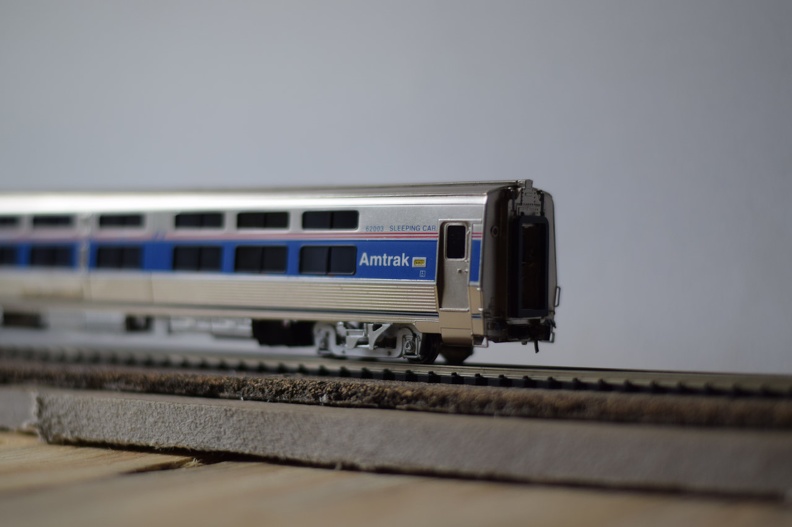
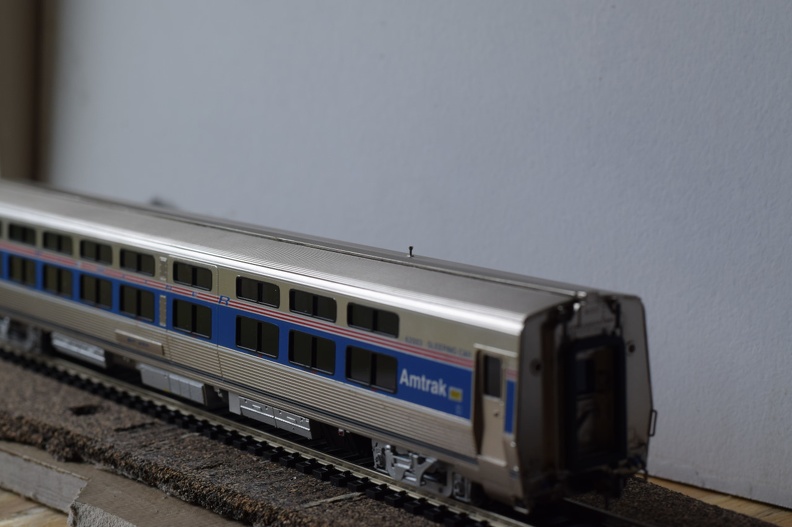
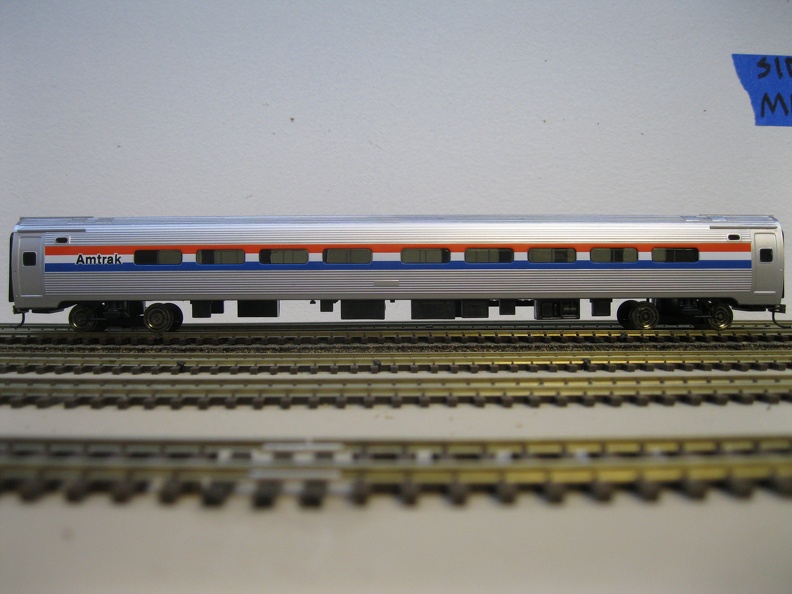
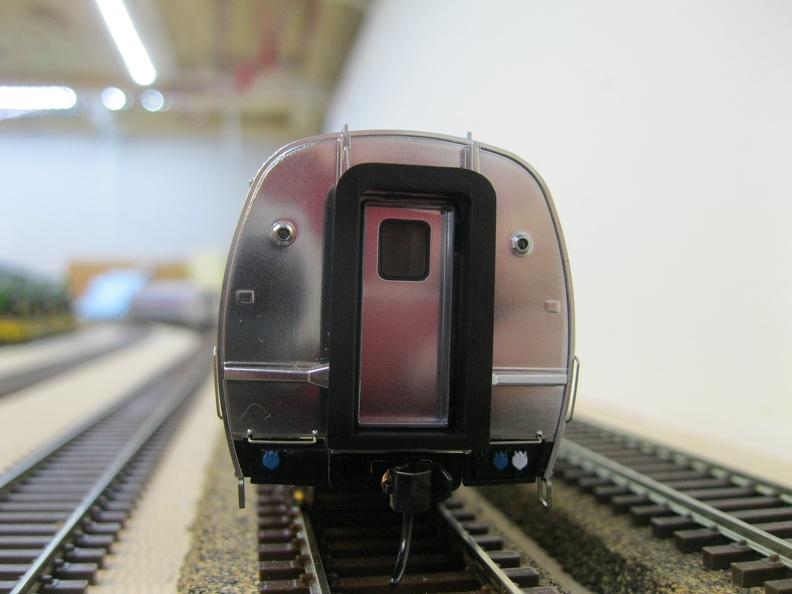
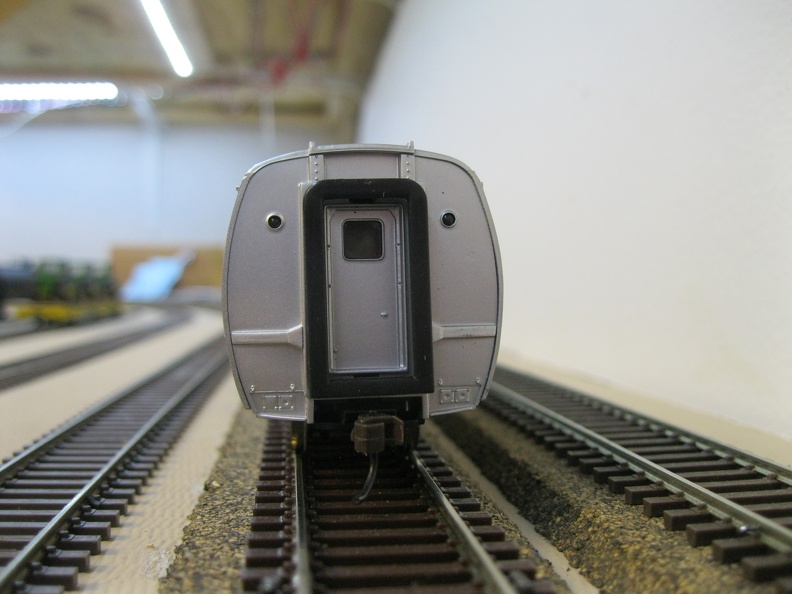
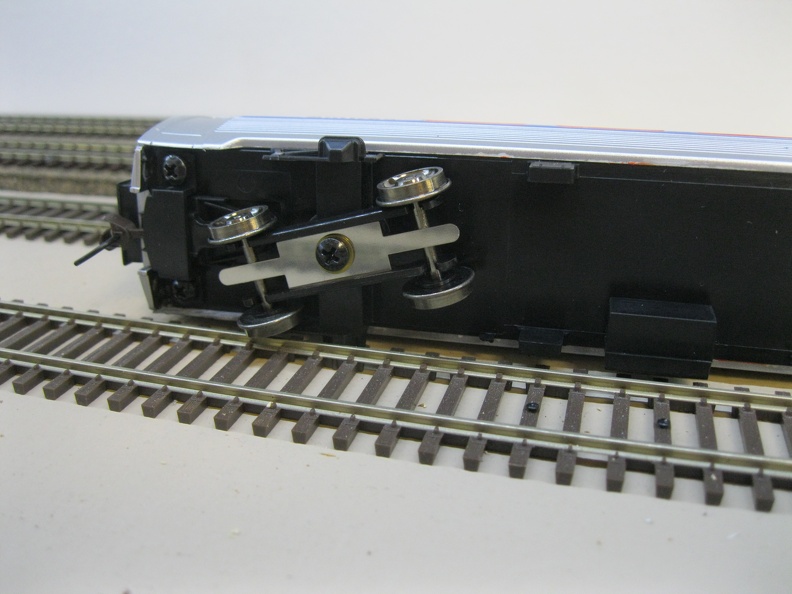
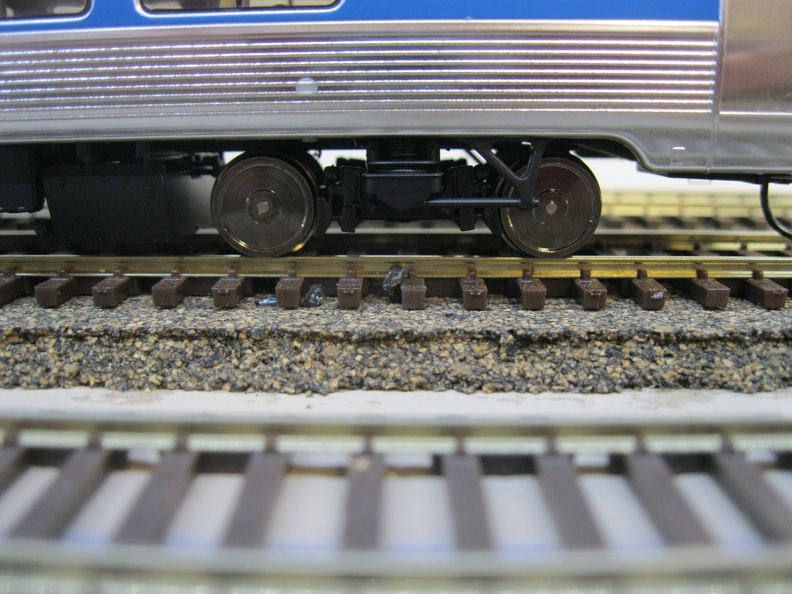
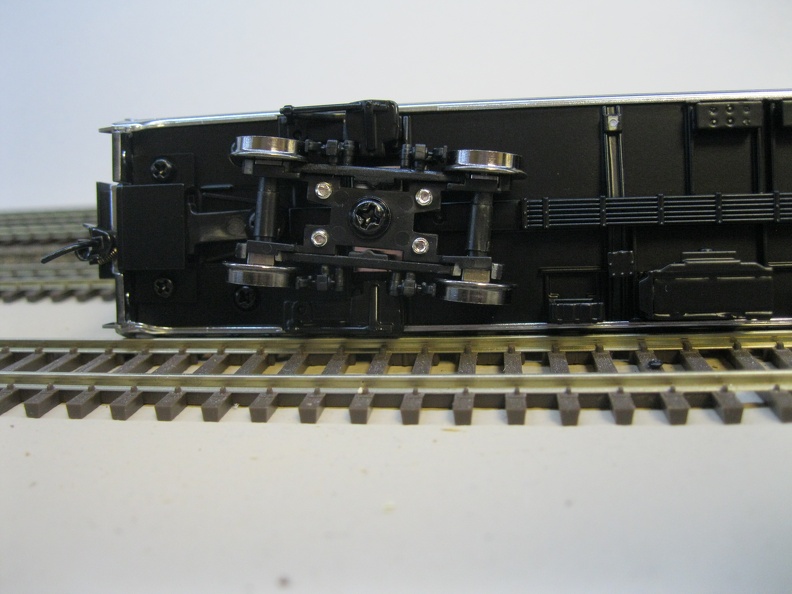
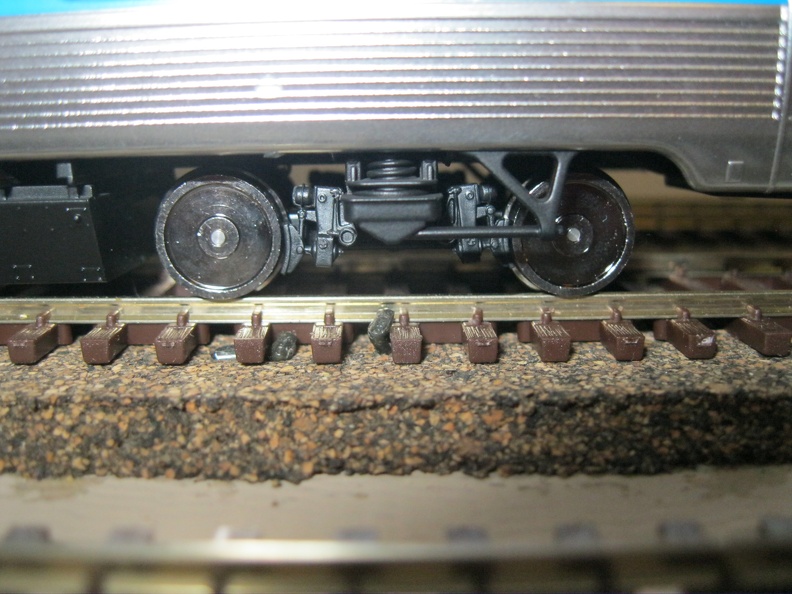
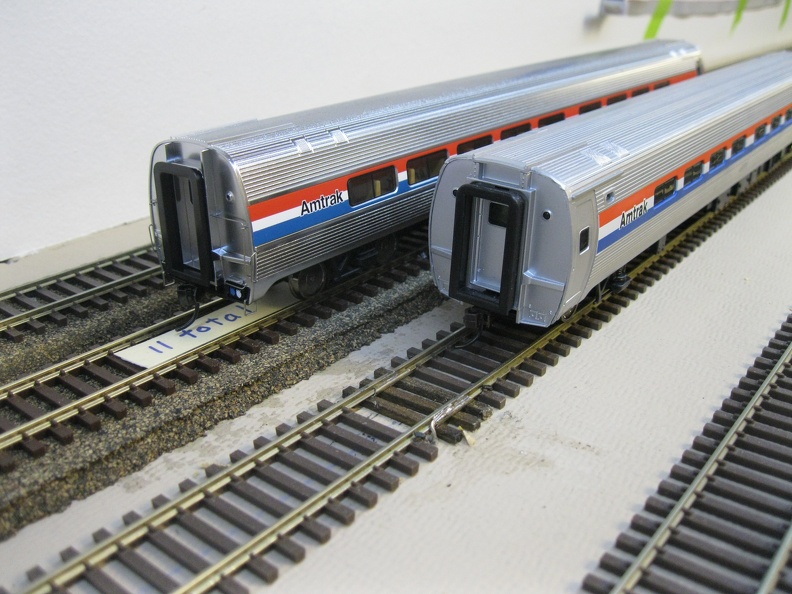
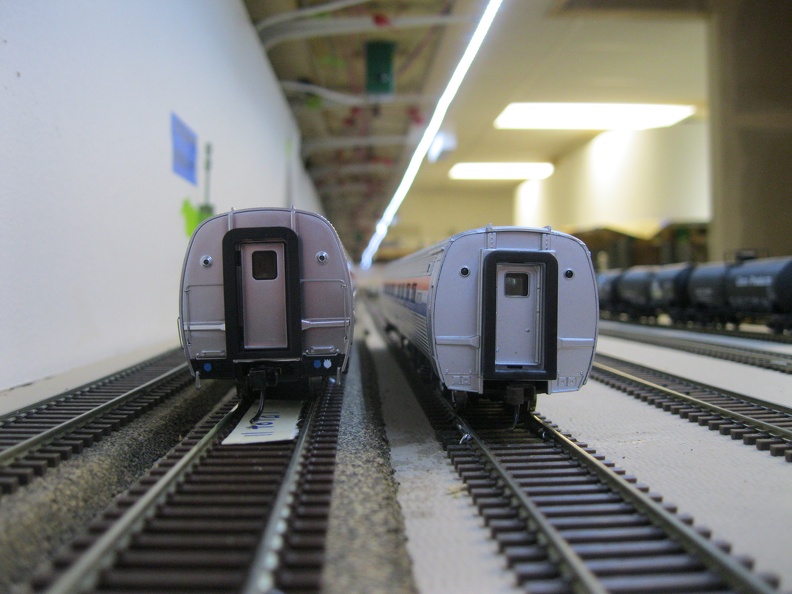
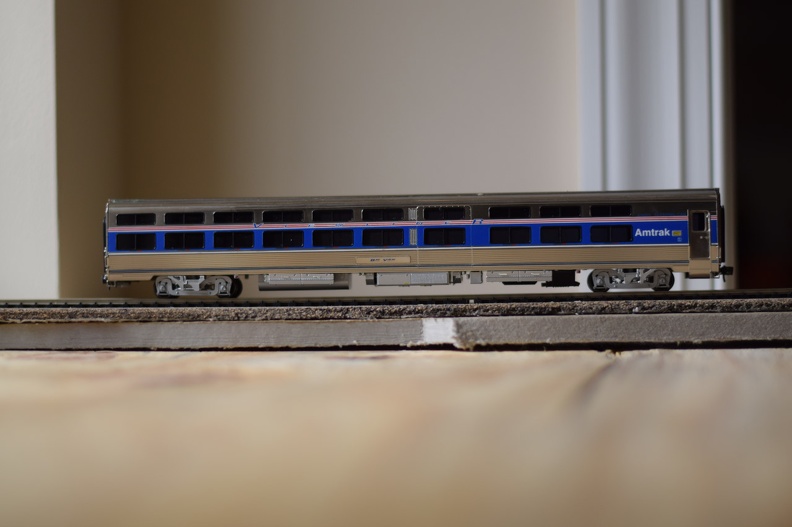
eBay searching last Month (October 2017) showed a set of Viewliners in plastic (a Walthers offering; pre the seriously detailed offering that run $70 to $80 a car) and a single, Overland imported, Ajin produced, Viewliner in brass.

I missed the plastic Viewliners, but scored the brass model.

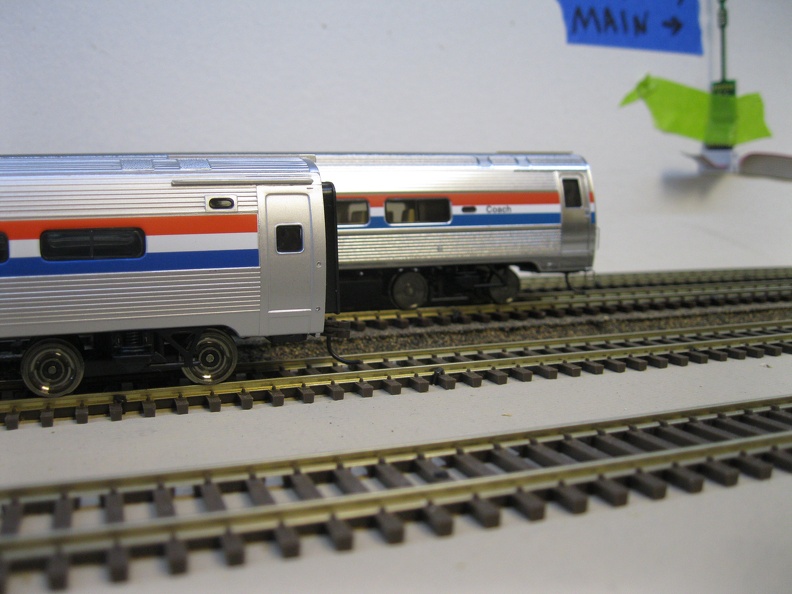
It has a bit of wear, but is still a good representation. A couple of sample pictures follows; the site gallery has more of them. There is a link to that at the end of the post.

The fall sun is a fickle thing. I need a lightbox, but don't have the space or money for one.


Vent is present.


The complete gallery is on the picture portion of the website here.

Now that the Viewliner 2 is a thing, I wonder if we will see another run of them produced. Hmm.

Saturday, August 8, 2015

Picture Update

Posting prototype pictures to the gallery today. These as smallish JPGs that I've run through a watermark batch. If you'd like to purchase rights to a photo for research or modeling, please contact me for large (6000x4000 JPGs and Nikon RAW) files.

Rick

Friday, March 13, 2015

Book Review - RF&P Passenger Service 1935 to 1975, William Griffin, Jr, TLC Publishing 2000

Richmond Fredericksburg and Potomac Railroad Passenger Service 1935 to 1975
Author William E. Griffin Jr
TLC Publishing 2000, Hardbound, 106 pages
As promised on the full website, I will be reviewing books from my library that I would think is interesting to my readership or that have direct bearing on my modeling.
This book falls into the interesting rather that direct modeling, but I find the pre-Amtrak era of passenger service fascinating.
 
The book's cover is a wonderful shot of one of the RF&P's E8 A-B unit pairs southbound just north of Richmond, headed to Broad Street Station.
The book starts with a chapter on through service, as it was the most common type on the line. Not a shocking fact, as the railroad was a major North-South bridge line. A 1956 passenger timetable is reproduced, showing 16 (!) daily trains.  One additional Monday through Saturday train is listed, so you would expect to see 18 trains a day had you been trackside. Now, I have a copy in my collection of the first Amtrak timetable for the RF&P's line, which has only 6 trains a day showing - 3 north and 3 southbound. A RF&P timetable from 1968 has 14 trains listed.  A note is made on how SAL trains were numbered over the line, as the RF&P handled trains from both the ACL and Seaboard northbound. The book also has a short discussion here about the equipment that was contributed to the car pools that were maintained to handle the service. Both diesel and steam powered trains are discussed with many pictures sprinkled throughout the text. Related foreign road power is also discussed and pictures are included. My only complaint here is that most of these are B&W shots, but I imagine the sources the author worked from are B&W so this is a shortcoming of the source material instead of the book itself. However, there is a dedicated color photo chapter near the end; I imagine that with color film only becoming available commercially in the mid 1930's, that the expense for somebody shooting color trackside would be significant.
Chapter 2 is local and connection service. Locals were not as numerous, as talked in the text due to the early building of highways in the area that the line ran, especially between Ashland and Richmond. An interesting point is that there were 15 flag stops between Ashland and Richmond in the 1920s, which would be totally unheard of today. Today, you could buy a ticket on Amtrak from Ashland (though not at the station, as it isn't manned by Amtrak nor is there an automated kiosk. Your option is to either buy a ticket at a different station or purchase via their website.) to either Main Street or Staples Mill, but folks would probably look at you askance, as the closeness of Interstate 95 and US1 and the ubiquity of the car seemingly precludes this. Interestingly, the railroad spun off a bus company to handle this business in the 1920's as well. A gas electric was purchased in 1928 to reduce the operating cost of local service on the north end. The book states that the last local trains to run were #10 and #29 in January 1957. On a slightly happier note, connecting service with the C&O and N&W are discussed with many pictures, as well as a timetable. The N&W service to Broad Street Station is what provided us with great pictures of the K2 class (a 4-8-2 with similar streamlining to the famous J class) leaving the station, and was also the inspiration for some wonderful railroad art as well.
We move on to the special trains of the railroad, dedicating a chapter to the subject, which details their success over the years. What is interesting about this situation is that special trains ran up until the advent of Amtrak, while local service didn't make it out of the 1950s.  A trivia bit here is that for some years, the railroad was the largest ticket holder of the Washington Redskins, controlling a block of 600 seats. One wonders with the spring training site for the team now being in Richmond, what sort of deals would the RF&P have offered from the Washington area south, had the railroad still be independent of  Jacksonville.
A chapter on Amtrak follows and the short lived, independent Auto-Train corporation is here is well. We have many color shots here, as Amtrak is a child of the 1970s and color film was cheap. (Well, certainly cheaper than in the 30s or 40s!)
Chapter 5 is all about the passenger stations, with the edifice of Broad Street given particular attention, with many aerial photographs. From there, the chapter covers stations spot by stop heading to the northern most station at Alexandria. Washington Union Station is mentioned, but isn't properly a RF&P only facility, as it was jointly shared with many railroads. Floor plans and exterior shots are sprinkled throughout, making this very helpful to the prototype modeler.
Chapter 6 covers passenger rolling stock with gratuitous pictures. Cars lists from 1960 and 1970 are included; each is a complete roster with type of car, the number and even name, if the car was named. The RF&P both used its own cars as well as those from other railroad depending on the train service, as well as contributing cars to the service pools. Some of these cars were built from similar plan used by other railroads that are frequently targets of the model manufacturers, giving the modeler easier starting points if they want to build a collection of rolling stock.
Chapter 7 is color photographs which closes out the book nicely. The first 3 pictures are all broad street station pieces, which I enjoy.
A bibliography brings up the markers.

If you are interested in the RF&P, or just enjoying learning about pre-Amtrak service, I recommend the book to you.

Friday, February 20, 2015

Railfanning as Prototype Research

As I have discussed on this blog, as well as the railroad website, I have been collecting as much information as I can about the area, railroads, industries and operations of who/what/where I am attempting to model.

All this research certainly can take away from modeling time, I will admit, but this isn't 100% the case. Sometimes I am collecting information during a time that I can't do any direct modeling, such as during my lunch hour, or when I'm traveling. It is true that if I take a Saturday afternoon to stand trackside and shoot pictures, I am not in the basement laying track, or detailing locomotives, or fixing cars on the RIP track from last session.

I've also been able to snag additional materials by keeping my eyes open. A recent win was finding a RF&P book from Morning Sun on sale from a dealer; this book is out of print so a bit harder to find, especially at a discount. I also was able to score a new (to me) ACL book that was saved from an archive at the C&O Historical Society. (I will be putting a review up on the site about these books and mentioning it here too.)


While I have been researching to make my modeling better, one of the big pieces is being able to document what I see on a daily basis around town, such as when signals get replaced.

At first glance, this point may or may not be obvious to everybody, but I believe that once you consider it at length, you will realize this is simple, yet powerful.

Prototype modeling is all about replicating the normal, day to day business of  railroading. Some may even say that you are copying the mundane, and that may or not be a strong word depending on one's point of view, but no matter what, first hand knowledge of the subject is vital to prototype modeling efforts.

How is it vital? It makes it easier!

Collecting this information is done on a couple of fronts - noticing what is taking place, networking with other railfans, railroad employees and modelers to get the latest gouge, and documenting what is going on.

I think the first two are fairly basic so I will leave them as they sit and we will go a bit deeper into the 3rd piece - the actual documentation.

As the cliche goes - a picture is worth a thousand words. Memories can fade or change as time goes along, but having photos in hand is almost as good as being there again. Capturing good pictures also allows you to fill out other documents, such as consist information, locomotives used, routing information, and car/container reporting marks.

Up until this point, I had just been using a simple point and shoot type of camera. These cameras are good at taking snapshots, but they do have limitations.

With a standard pocket camera, your lens is only so good and then the sensor itself, is only so physically large (don't get too hung up about the number of megapixels), so this makes getting photos with lots of useable details at 100% or larger size, a bit challenging when you are further away than say 20 or 25 feet. If you are hundreds of feet away and can't get any closer, your little pocket wonder will really show its limits. Don't forget that these jewels mostly autofocus and have no ability to do anything manual, so trying to shoot a train moving past you quickly can be hard as the camera tries to work on a continually changing view. Also, the list of settings you can change that directly affect the picture (ISO, Shutter Speed, f/stop, plus white balance) is somewhat limited, as these cameras are built to get good photos in common situations, but this means that covering edge cases is difficult.

So, now that we've talked about what I'm trying to do, you can see that getting good results a bit challenging. A fact of railfanning in the post September 11 era is to ensure you stay off railroad property and not become threatening or suspicious. (And I'll save the snark about who actually won this war for a different forum).

So let's plan to stay on the sidewalk or at least off of railroad property. Our requirements are now a camera with interchangeable lenses, as we can tailor our choice to how far away we are. We can get a lens made for wide shots if we are close, such as on a passenger platform, or a zoom if we up on a road overpass with good sidewalks.

There are boatloads of options from a camera standpoint (manufacturer, mirror or mirrorless, lens mount type, storage type, saved picture format, etc) and discussing them is outside the scope of this blog post, but if you start out, I recommend a base level DSLR (Digital Single Lens Reflex) with its included lens. If you know that a good spot to stand if a bit farther away, feel free to add a zoom lens that has a max zoom of 200 or 300 mm. Often you will get money off an additional lens if you buy with the camera.

Then, charge your batteries (you did buy a second one, right?) and go out and shoot pictures.

Don't expect awesome results as you get going; it takes time to learn what to do (and what not to do).

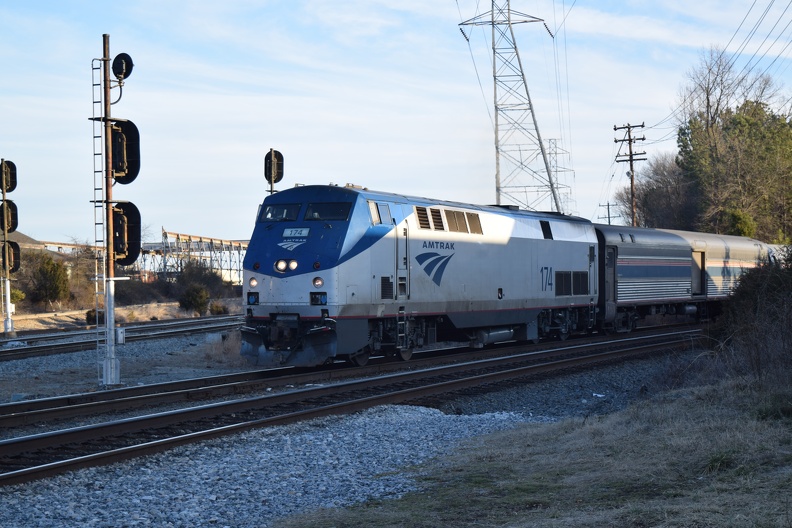
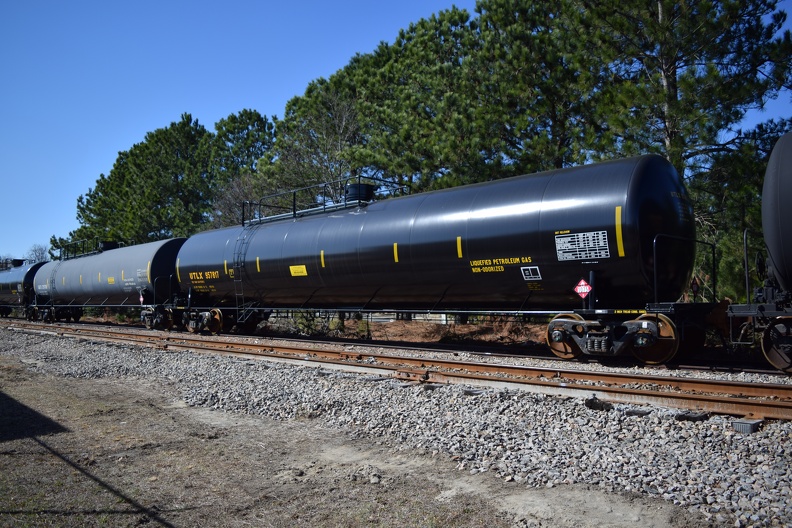
What follows are some sample photos I've captured since starting this last December.


Tuesday, October 14, 2014

Amtrak, Part IV, Model Car Part II - Superliners

The Superliner cars have been well represented in HO scale; with multiple offerings from Walthers, Kato and a few brass lines over the years.

We are very fortunate that these cars have been the subject of lots of good models over the years, as the prototype cars are a significant part of the fleet.

The idea of a multiple level car for long distance routes was first done by the ATSF for service on the El Capitan. Budd built these cars starting 1954, with a couple of runs as the years went on. Of course, as passenger service faded, the railroads stopped buying new varnish. With Amtrak's 1971 start, new cars began to be purchased again. For more information on these cars, take a look at wikipedia here and here.

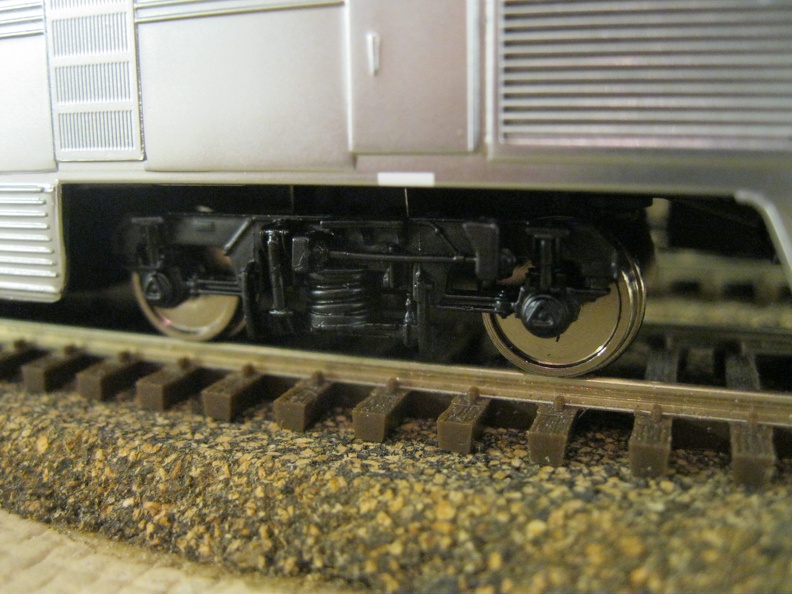
There are two major runs of Superliners, each was produced by a different manufacturer; called Superliner I and Superliner II. The major spotting difference is the trucks. The I has a very intricate design from a German firm, while the II uses a GSC truck. The truck details have been carried over into the models.

Now, the models have been pretty decent quality. The first run from Walthers was pretty decent, but detail was fair for the time period and looking at them now, details are lacking.

One thing to keep in mind is that these cars have almost no underbody pieces, as the prototype designs moved all that equipment to the lower level ends of the cars.

The later runs from Walthers, with the 'new plated' finish are very nice indeed and the Kato units run neck and neck with them. The Walthers offerings are a bit cheaper in my experience and I've amassed quite a few of them to be able to run the Auto-Train on my layout. (As the Auto-train is the only Superliner equipped train in the southeast.)

The diners, coaches and sleepers and fairly similar across the line; the differences are in the numbers of windows and their spacing.

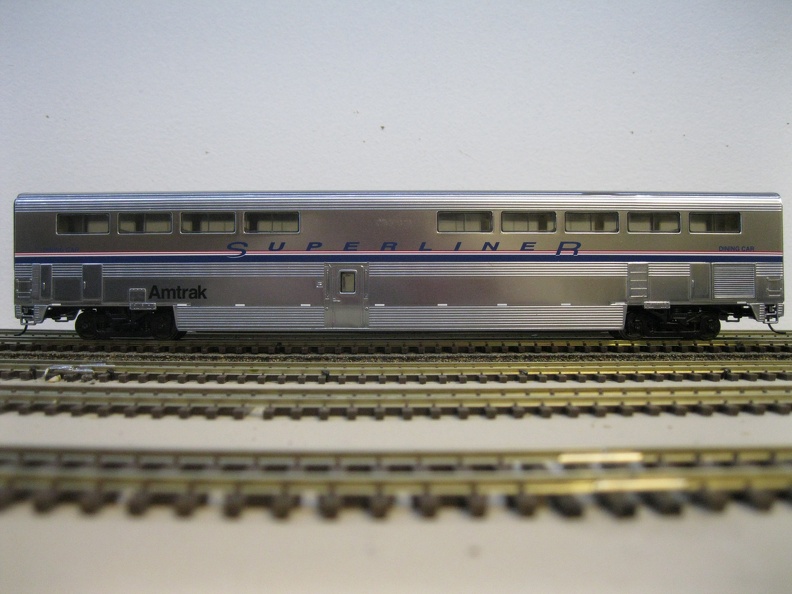
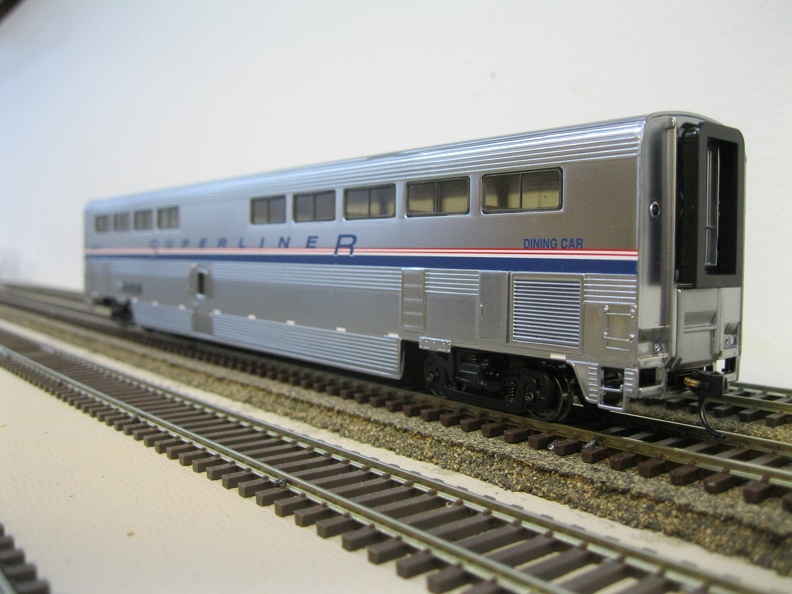
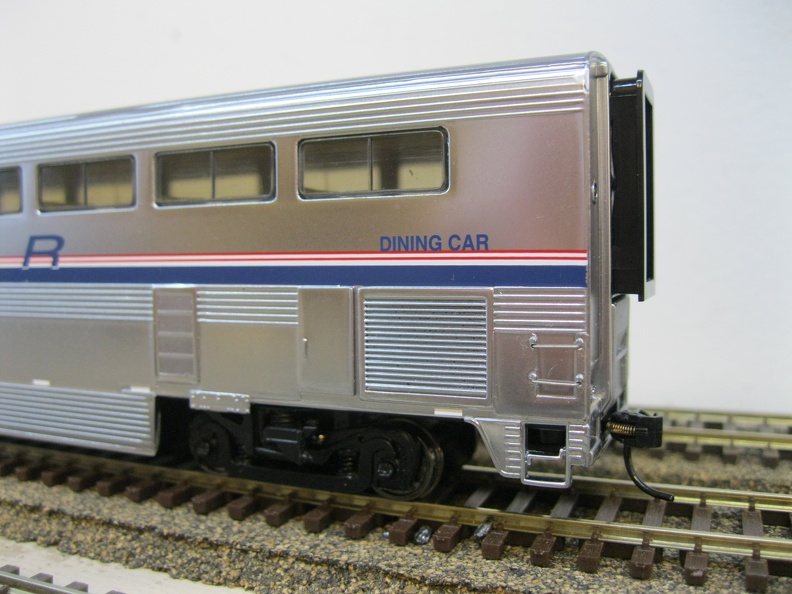
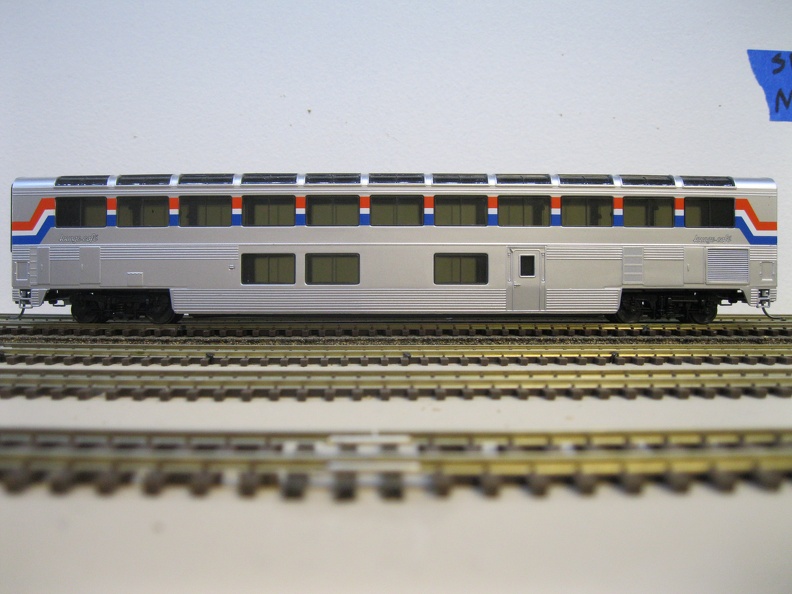
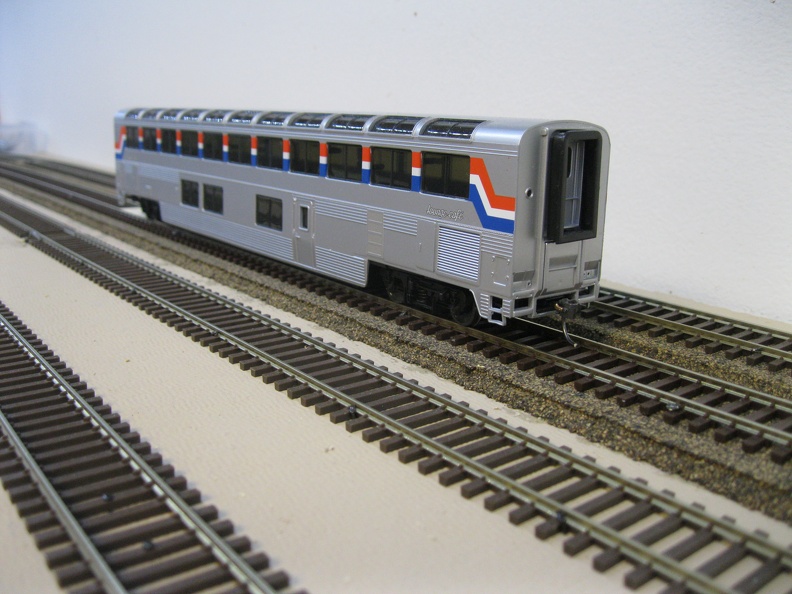
Here are a few of the model cars; captions provided to give additional information.

First we will start at the current production plated car, from Walthers:


This is a Superliner II - Note the truck.
Now, let's move on to a older production car from Walthers without the plating.

Detail is decent, but not as sharp as the newer car. Note the stirrup steps.
Here's the Superliner 1 truck - much more complicated design.

Friday, September 19, 2014

Amtrak, Part III, Model Car Part I - Amfleet

The Amfleet cars actually have a fairly interesting history on the model front, at least in HO scale.

If you are interested in the more of the Amtrak fleet information, especially the stuff that is electric, a good resource for bunches of his model stuff is Kyle Nembhard; his site is here.

Anyway, for a pretty numerous prototype, accurate cars in HO scale have been just about non-existent. There was a brass version offered, I believe in the 1980's, that was the basis for some of the earlier plastic versions. Unfortunately, the brass model had a couple of issues that got carried over to the plastic version.

Both Walthers and Bachmann produced Amfleet cars, in various types and schemes and if you were operations focused, they could be considered 'good enough'.

Underbody detail was almost nonexistent, other details were lacking, and the overall shape wasn't quite right.

Walthers spun up to produce a Metroliner model a few years ago and thereafter, announced new Amfleet cars from totally new tooling, which was good and would be offered in their Protoline, which was also very positive. The one major downer was the price. Standard cars were priced at $79 and lighted cars were another $10.

The test version of the cars that I saw at Walther's booth at the 2012 train show were very nice and I was impressed at the level of detail on the car. I was still a bit taken aback by the eighty dollar price tag, but felt a bit better about what I was getting for my money.

Originally, these car were going to be available January 2013, but they finally shipped this year (2014) in late winter.

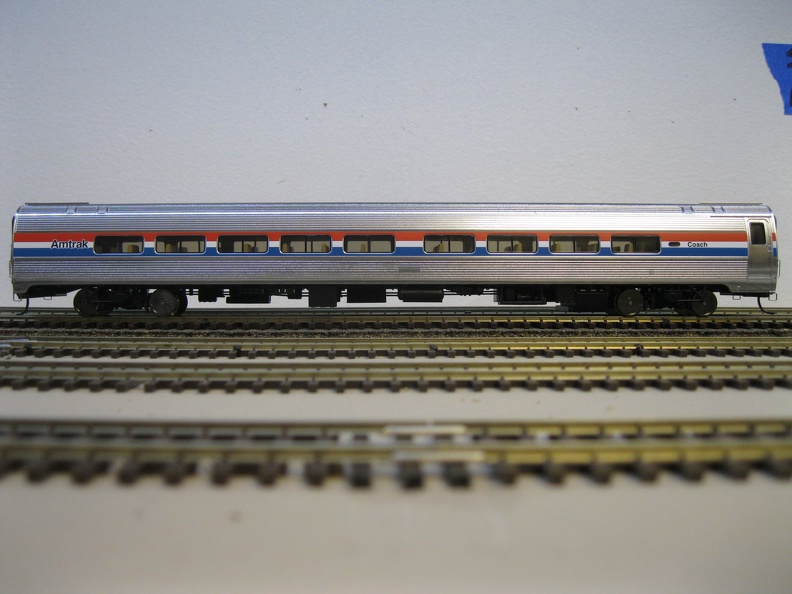
Here is the new car; this particular one is a coach.


Note the overall shine to simulate the stainless steel of the prototype car, the underbody details aplenty and the very light and lacy grab irons on the corners.

Now, let's look at one of the older production Walthers cars.

Less shiny to start with; you can see lots of air through the bottom of the car and grab irons are totally missing.


Let's look at a couple of other angles of these cars.


Again, the level of detail in the newer car (top picture) is much higher. Also, this shows the different profile of the cars; if you look near the upper corners, it is pretty noticeable.

About the trucks for these older cars. The original design left lots of be desired.


Basic truck, no bearings and the axles will wander back and forth inside the truck. And if you want to light it, some work will be needed. Without some serious hacking, you will only get pickup on one rail per truck.

Now, the new truck is off the chain.


Let's finish up with some shots with both cars.


Coming up in this theme is a look at some of the Superliners, a look at the baggage cars and then hit the sleepers and diners.

Thursday, September 11, 2014

Modeling Amtrak, Part II, Consists and Prototypes

In my previous post about modeling Amtrak, I wrote the following:

"Next post, I will go into more depth of the consists needed, the prototype cars, and models available, but I want to start with an overview of the issue."

We will hit the consists and talk a little bit about the prototype cars this post. I'm going to save the models for an additional post later on, as I want to take some pictures and make some other documentation available to cover that subject accurately. I've cover the locomotives in an additional post as they are owed an exclusive look, in my opinion.

Consists:


Generally, you can count on the long distance trains to have a mix of sleepers, a kitchen/diner car, a baggage or two, then coaches and possibly a lounge/snack car.

You might see observation cars (either of the dome or blunt end variety), express cars, dorm cars (usually an older sleeper for the crew's use), and maybe some private varnish at the end.

The shorter distance trains (sometimes called regionals) normally will only have a couple of coaches, and a lounge/snack car. You might see an express car sometimes, and a couple of them have apparently had baggage cars, but normally they will be straight Amfleet cars.

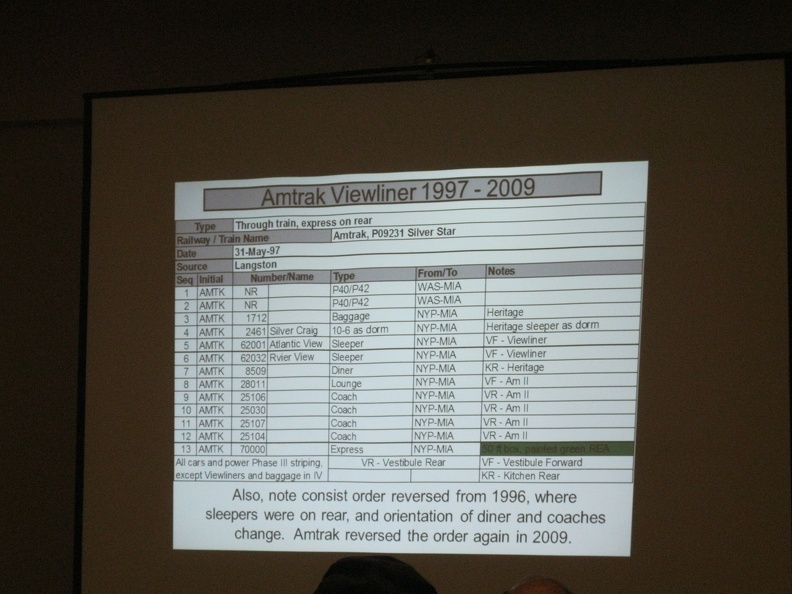
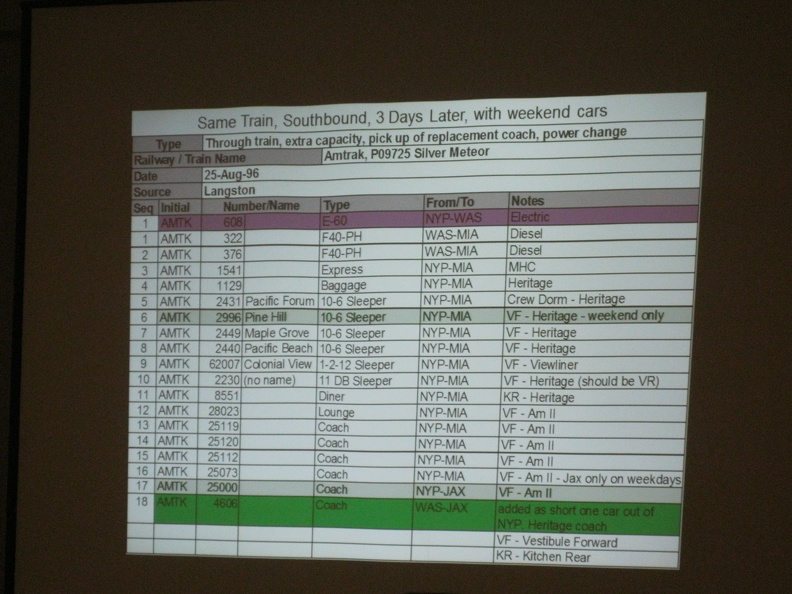
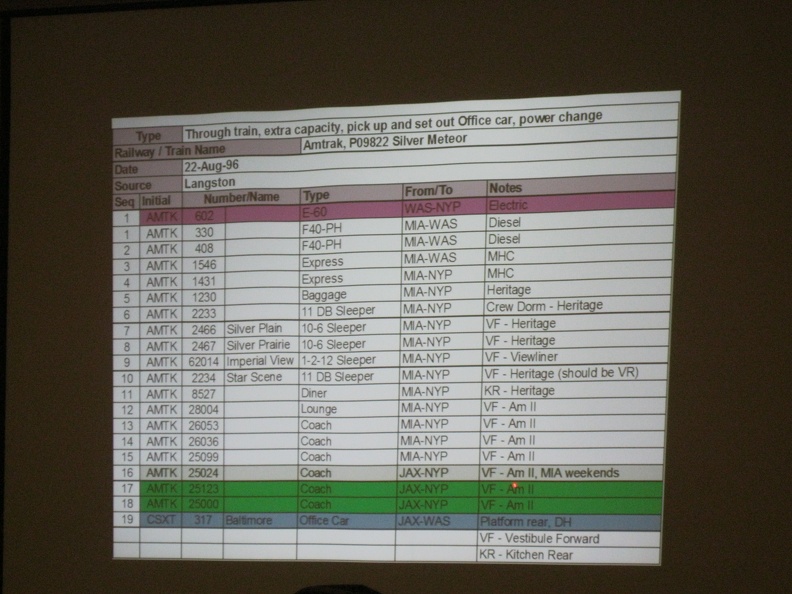
Finding exact information about consists has been a bit tricky and to date, I have only been able to track down a few thanks to Jim Langston's Amtrak clinics. Here are a couple of consists from his clinics that would cover my modeled area:


These snapshots only cover the long distance trains; which makes some sense as Jim is out of the Jacksonville area (IIRC). As to try to find out what there was on the regional and other trains, you are forced to scour the net for pictures, turn up books related the subject area and connect with railfans who might have additional information.

Prototype Cars:

A nice thing about the prototype cars: there are pictures galore all over the place so finding examples is easy. A not-so-nice thing: Being able to know when and where particular cars were introduced to service, and when they were retired can be a tricky subject. One resource that has made it better is the book, Amtrak By the Numbers which lists just about every locomotive and car they've used. It includes when they were built, bought or acquired, if they were renumbered, what happened to them and the like. An invaluable resource and for $75, well worth it if you take your attempts seriously. In the time frame and location I model, a couple of car types will cover the majority of what I need to be concerned with: Amfleet (both I and IIs), Heritage (aka cars adopted by Amtrak when they took over passenger service in May 1971 from the railroads), and Superliner.

Amfleet

Amfleet refers to the cylinder shaped, single level cars in current use; they are primarily coaches, but some lounges and cafes exist among them. Keep in mind two series of these were built, both by the Budd Company. Wikipedia has a decent overview and typing Amfleet into google will give you results for days as well as images. I don't myself have a good Amfleet picture handy, so I'll have to take some an update this later.

Heritage

Heritage cars are what Amtrak inherited from the railroads in May 1971 when Amtrak took over passenger service for a majority of the railroads. There were a few holdouts until later, but 90% or more became Amtrak. These cars were a mix of coaches, sleepers, baggages, diners, etc that were built from the 1930's to the 1950's. By the 1960's, not many railroads were spending money on new passenger cars, but post World War II, many railroads spent some serious coin on buying new varnish. I've read that Amtrak looked at 3000ish cars and took less than half; 1200 is what Amtrak themselves cite here. Somebody was using their noggin when this was done and took only stuff post WWII built (1946 and later); most of the cars were built by Budd, with a good seasoning of Pullman, ACF, and St Louis Car. Now, when Amtrak got these cars, they were all steam heat, as that was the standard from the previous age, but going forward this ended up being a big problem. Starting about 1977, Amtrak kicked off a rebuilding program to convert the cars to HEP (Head End Power) for climate control, lighting, and similar needs. Lots of history in these cars and a good portion of these are still plying the rails over 40 years later. Supposedly, Amtrak will be replacing these starting 2015, but I'm going to guess that is budget driven, so we will see what happens.

Superliner

The Superliner cars are two level cars that were inspired by the Hi-Level cars that Budd built for ATSF beginning 1954 for El Capitan service. Amtrak got a bunch of these (and according to wikipedia, 5 are still in service as I write this in 2014) and then commissioned the Superliners from Pullman-Standard. Now, these cars are pretty darn tall (16' 2") so they are excess height, which restricts them from being operated in many corridors that Amtrak services; most notably the Northeastern Corridor. (Which means from Washington, DC to Boston, MA). We see them in Richmond due to their use on the Auto-Train, which originates in Lorton, VA, south of Union Station in DC and the height restrictions in the First Street Tunnel (17 foot clearance). Like the Amfleets, the Superliners were built in two series, by two different manufacturers. One of the quick spotting differences are the trucks; the original series uses a German designed truck, while the second series uses a General Steel Casting truck and they are very different, even at a glance.